Patient Information & Resources

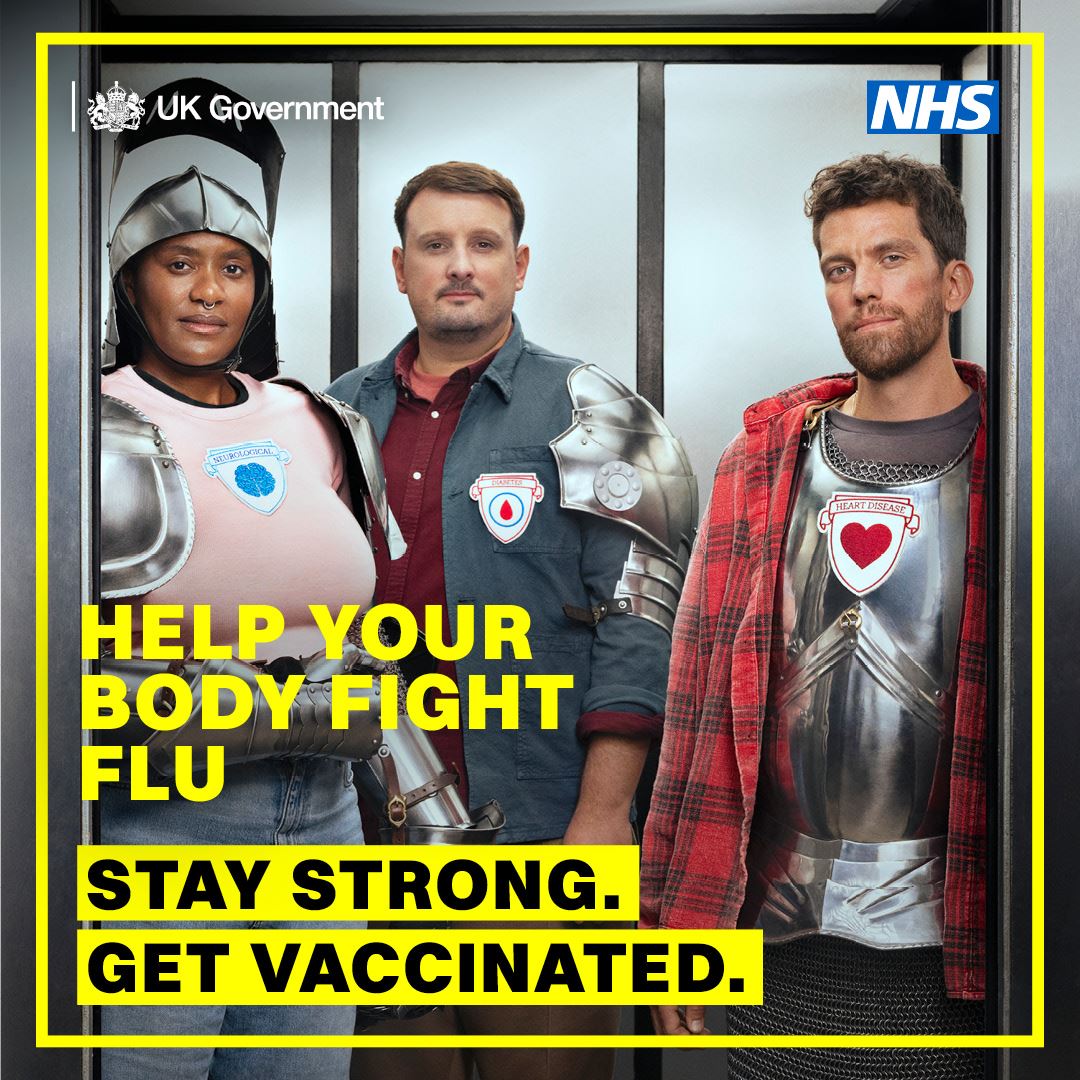
Flu Vaccinations 2026

NHS App

 The NHS App is a secure, official app for residents in England (aged 13+) to manage their healthcare digitally, including ordering repeat prescriptions, booking GP appointments, viewing health records (test results, allergies, documents), and checking NHS 111 advice. It also allows tracking hospital referrals and managing organ donation preferences. 

 https://www.nhs.uk/nhs-app/setting-up/downloading

You can log in to use all services through the NHS website. You do not need to download anything.

To use the NHS App, you must be aged 13 or over and registered with a GP surgery in England. If you're aged 13 to 15, you’ll need to contact your GP surgery for access to GP online services before you can use the NHS App.

How Pharmacies Can Help

Advice from a pharmacist

Pharmacists can offer advice on a range of illnesses, such as coughs, colds, sore throats, ear infections and aches and pains.

They can also give advice about medicines. This includes how to use your medicine, worries about side effects or any other questions you have.

If they cannot help you themselves, they can refer you to a GP or other health professional.

Treatment from a pharmacist

Pharmacists can suggest treatments that do not need a prescription for a range of conditions.

Most pharmacies can also offer prescription medicine for some conditions, without you needing to see a GP or make an appointment. This is called Pharmacy First.

Conditions they can offer prescription medicine for are:

  • impetigo (aged 1 year and over)
  • infected insect bites (aged 1 year and over)
  • earache (aged 1 to 17 years)
  • sore throat (aged 5 years and over)
  • sinusitis (aged 12 years and over)
  • urinary tract infections (UTIs) (women aged 16 to 64 years)
  • shingles (aged 18 years and over)

If you are not within these age ranges, a pharmacist can still offer advice and support decisions about self care treatment with over the counter medicines, but you may need to see a GP for treatment.

If you go to a pharmacy with one of these conditions, the pharmacist will offer you advice, treatment or refer you to a GP or other health professional if needed. They will also update your GP health record, but your information will not be shared with anyone else.

Most pharmacies can provide prescription medicine for these conditions but contact them before visiting to check.

Find a Pharmacy


Self-care advice

Find tips, guides, tools and activities to support and improve mental health

5 steps to mental wellbeing - NHS

Read about self-help tips and support to improve your mental health.

  • Every day tips for improving your your mood
  • Finding support through therapy and support groups
  • Tips for coping with situations that affect mental health

Tips and support - NHS

Guide, tools and activities 

Read about self-help guides, tools and activities that can improve your mental health.

  • Tools for understanding your mental health
  • Exercises to help you cope with your mental health
  • Activites for improving low mood and stress

Guides, tools and activities - NHS


NHS Talking Therapies

Talking therapies (psychological therapies) can be used to treat many different mental health problems. They involve talking to a trained professional about your thoughts, feelings and behaviours.

What talking therapies can help with

Talking therapies can help with many different problems, including:

  • difficult feelings, such as low mood, worries and stress
  • depression, including postnatal depression
  • anxiety, including social anxiety, phobias and obsessive compulsive disorder (OCD)
  • post-traumatic stress disorder (PTSD)
  • eating disorders, including anorexia and bulimia
  • bipolar disorder
  • personality disorders
  • coping with a long-term health condition, such as irritable bowel syndrome (IBS) or chronic pain

How to get talking therapies

There are many different ways to get talking therapies. You do not need to have a diagnosed mental health condition.

Refer yourself for talking therapies on the NHS

For some mental health problems, such as anxiety and depression, you can refer yourself to NHS talking therapies without speaking to a GP.

To use this service, you need to be registered with a GP and must be aged 18 or over (or 16 or over in some areas).

Talking Therapies Cheshire West

Page last reviewed: 30 July 2026
Page created: 10 March 2026